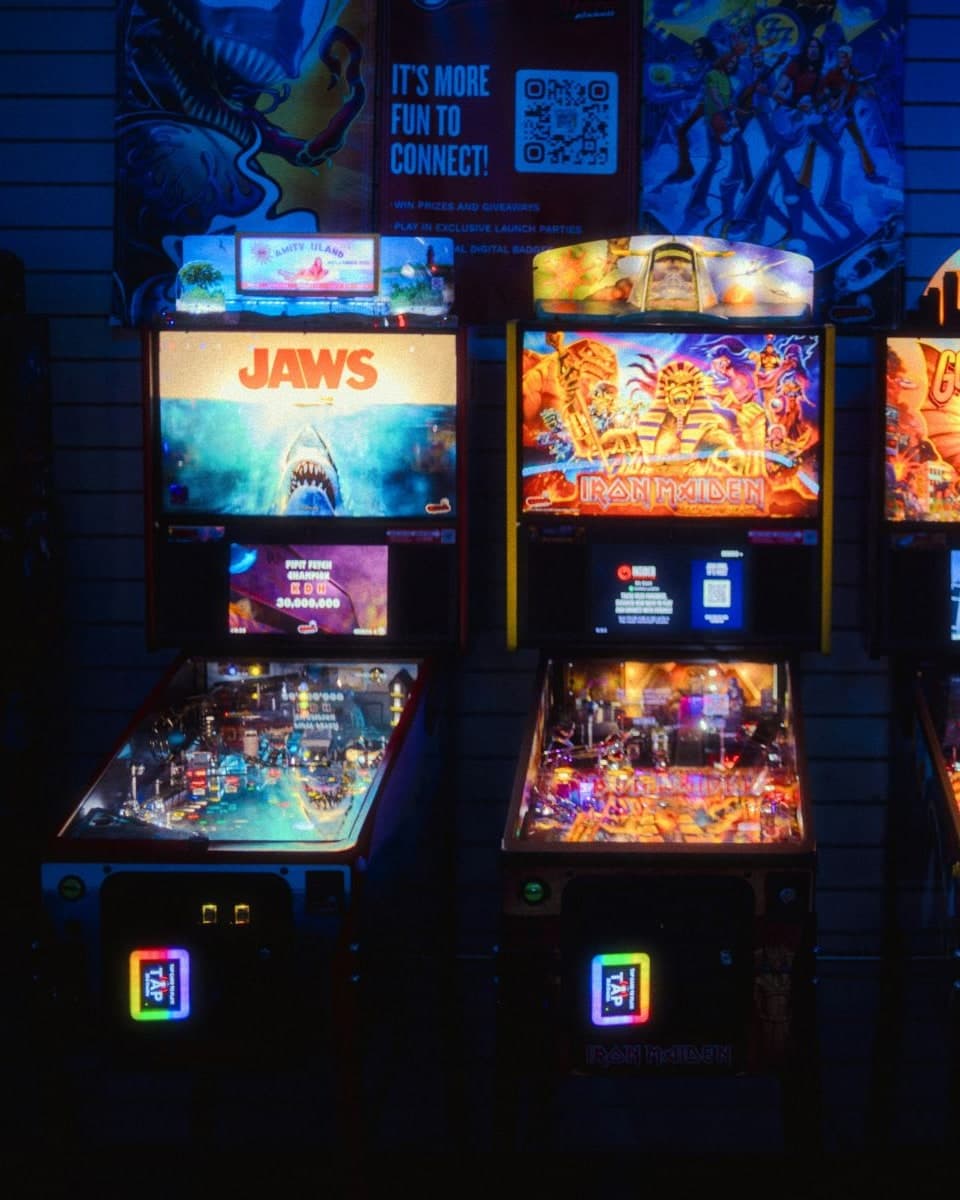
Ready Player 1. Life gamification is a real thing now, and honestly, it's not a bad idea in theory.
The Promise of Life Gamification
Gamification really took off with smartphones, and on paper it sounds brilliant. Take something you want people to do more of, then add points, streaks, badges, leaderboards, and a bit of friendly competition. You can compete with strangers, friends, or just yesterday’s version of yourself. You see numbers go up, streaks stay alive, little virtual confetti bursts when you “win.” It plugs right into the human love of games and progress.
In theory, this is perfect for healthy habits. If we’re going to be motivated by scores anyway, why not use that energy for walking more, meditating, reading, or eating better instead of just doomscrolling and gambling?
Unfortunately, the answer is not always “yes, gamify everything.”
When The Game Hijacks The Goal
Here’s where things get weird. Sometimes the game starts to matter more than the underlying habit. I’ve had this happen with a meditation app. I originally downloaded it to relax and reduce stress. It helped at first. Then the app introduced streaks and daily reminders, and suddenly the main story in my head shifted from “I’m taking a breath” to “I cannot lose my 27 day streak.” So my relaxation tool quietly turned into another source of pressure. Miss a day? Now there’s a little pang of failure attached to something that was supposed to be kind to my nervous system. Great.
I also came across a story from someone who gamified basically all the “good things” in their life. They built a system where they got points for positive actions and lost points for negative ones. It started off well. Then they noticed they were skipping playing games with friends (minus points) so they could go for a walk alone (plus points). On paper, they were “winning.” In reality, they were trading away joyful social time to satisfy a scoring system they had invented. That’s when they realized the game had drifted away from what they actually valued.
The Core Problem: Misaligned Incentives
Gamification works by creating incentives. That’s the whole point. The risk is that the incentives you create don’t always perfectly match what you truly care about.
Some examples:
- You meditate to feel calmer, but the streak makes you anxious.
- You exercise to feel strong and energized, but closing rings becomes a stressor.
- You want a rich social life, but your point system rewards solo “healthy” behaviors more than time with friends.
The game is not evil. It’s just dumb. It can’t see context, nuance, or what kind of day you had. It only knows “you did the thing” or “you didn’t do the thing.” If you’re not paying attention, it’s easy to start optimizing for the game instead of for your actual life.
Using Gamification Without Letting It Use You
I don’t think the solution is to swear off gamification completely. It can be genuinely helpful, especially at the beginning of a habit, when you need a little extra nudge to show up.
The key is to stay in charge. A few questions that help:
- Is this game making the behavior feel lighter and more fun, or heavier and more stressful?
- Am I making choices I’m proud of, or just doing weird things to protect a streak or earn points?
- Would I still do this thing if there were no tracking, badges, or leaderboard at all?
If a streak motivates you to meditate most days and you feel calmer overall, amazing. Keep it. If that same streak is making you resent the practice, it might be time to turn it off, switch apps, or create your own gentler rules. Gamification should be a tool in your corner, not a tiny boss in your pocket.
Keep The Game In Its Place
Overall, I think gamification can be great when:
- It nudges you toward things you already value.
- It helps you get started or stay consistent without adding a ton of pressure.
- You feel free to ignore it or reset it when life happens.
And it’s a problem when:
- You feel guilty or stressed about “breaking” a streak, even for good reasons.
- You start choosing points over people or over your actual needs.
- The game becomes more important than how you feel day to day.
I’m trying to use gamification more like training wheels and less like handcuffs. Helpful when getting started. Optional later. And always, always second in command to what actually makes life feel better.