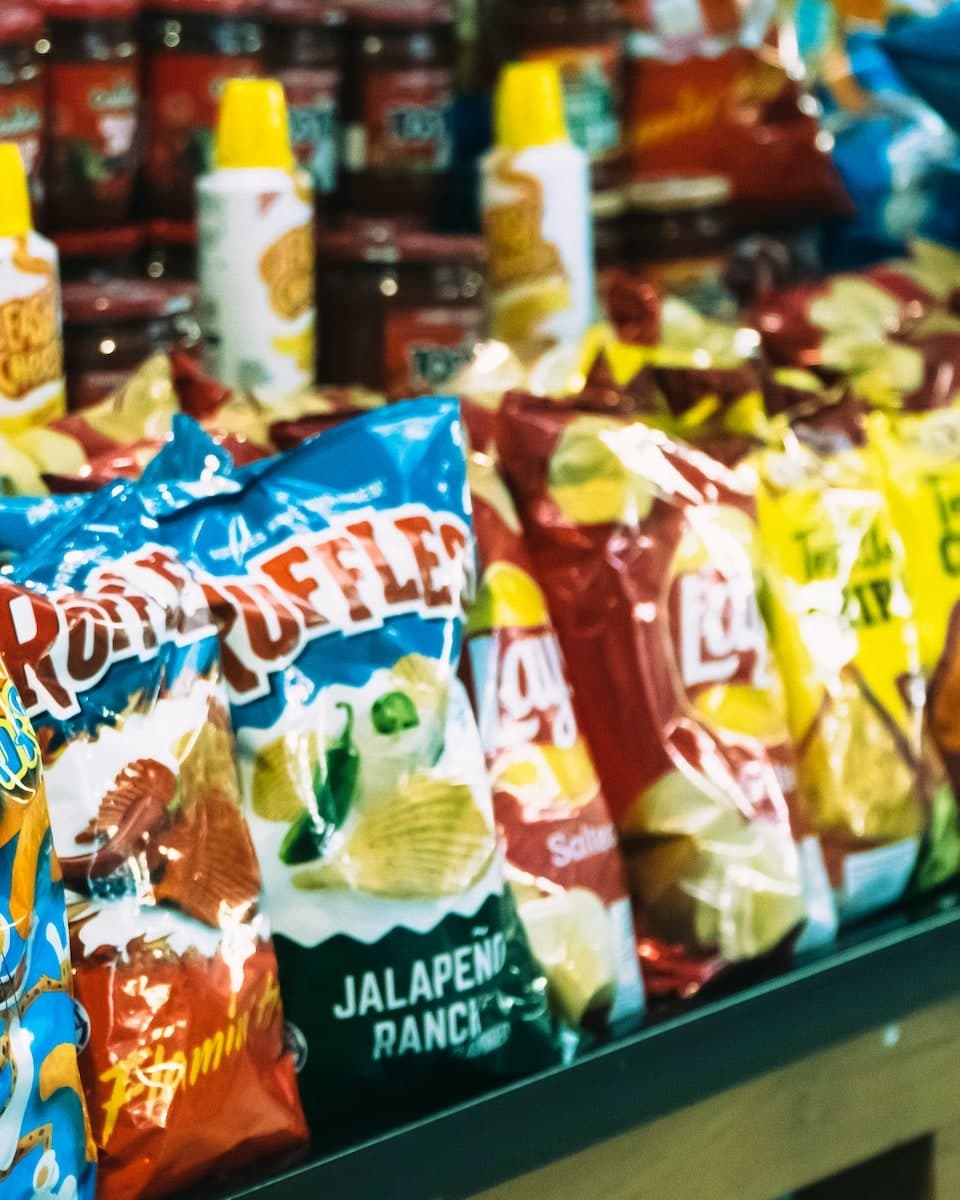
If you want to know how to avoid processed food, the annoying answer is that you probably can’t do it perfectly, because the modern food environment is basically one giant convenience store with better branding. Still, even if perfection is off the table, it turns out you can make a pretty meaningful dent just by changing a few default choices.
Why Processed Food Is So Hard To Escape
I’m sure it doesn’t come as shocking news that processed foods are not exactly doing heroic work for our health. The problem is that they’re cheap, easy, everywhere, and often suspiciously delicious, which is a pretty powerful combo if your willpower has the structural integrity of a paper straw.
While reading Good Energy: The Surprising Connection Between Metabolism and Limitless Health by Casey Means, it hit me harder than usual that this stuff is not just “food” in some neutral sense. It becomes the raw material my body has to work with. Apparently my cells did not request a steady supply of white bread and lunch meat. They have standards.
She also points out that a lot of us are effectively addicted to ultra processed food, which makes the whole thing trickier. If you’ve ever eaten something you know is kind of garbage and then immediately wanted more of it, congratulations, you’ve met the business model.
How To Avoid Processed Food Without Becoming Weird About It
For me, the useful frame is not “never eat anything processed again.” That isn't happening unless I move into a forest and become a very judgmental hermit. The better frame is learning how to avoid processed food a little more often, in ways I can actually repeat.
I keep coming back to lunch because that’s where habits get real. I love sandwiches. They are easy, portable, and emotionally supportive. But if I swap a sandwich with lunch meat and white bread for a fresh salad, that seems small on a random Tuesday. If I do that five days a week for the next ten years, that's not a small difference anymore. That's a lot of meals, and a lot of building material.
A few versions of this kind of swap:
- Salad instead of a sandwich.
- Fruit or nuts instead of packaged snack food.
- Real leftovers instead of whatever came out of a crinkly bag with 19 ingredients and a mascot.
None of these swaps are dramatic. That’s why I like them. Big dramatic plans are fun for about 36 hours, then your normal life shows up and crushes them.
Build A Gross Association On Purpose
The little trick I want to try is honestly kind of juvenile, which is probably why I think it might work. I want to build a gross connection in my brain with ultra processed foods.
Lunch meat and white bread, yuck. Plastic cheese product, no thank you. Neon snacks that somehow survive untouched in a gas station for six geological eras, gag. If I repeat that story enough, I’ll probably start believing it more automatically, and that matters because appetite is not just physical. It’s psychological, visual, emotional, and embarrassingly easy to manipulate.
Asking how to avoid processed food is not just a nutrition question. It’s also a branding question inside your own head. If your brain still tags ultra processed food as fun, easy, and rewarding, you’ll keep drifting back to it. If it starts tagging it as fake, overengineered, and dangerous, the pull gets weaker.
Let The Little Bits Add Up
That’s the part I’m trying to keep front and center. A little bit really does add up over time. One better lunch will not transform your life and make sunlight burst through the kitchen window while a string quartet starts playing. But thousands of slightly better choices absolutely change what your body is being built from.
So when I think about how to avoid processed food, I’m not trying to win a purity contest. I’m trying to tip the ratio. A little less fake stuff, a little more real food, a little more often. That seems boring, which is usually a good sign. Boring habits are the ones that actually stick.
And if my brain starts reacting to ultra processed food with a quiet “gross,” I’ll count that as progress too.