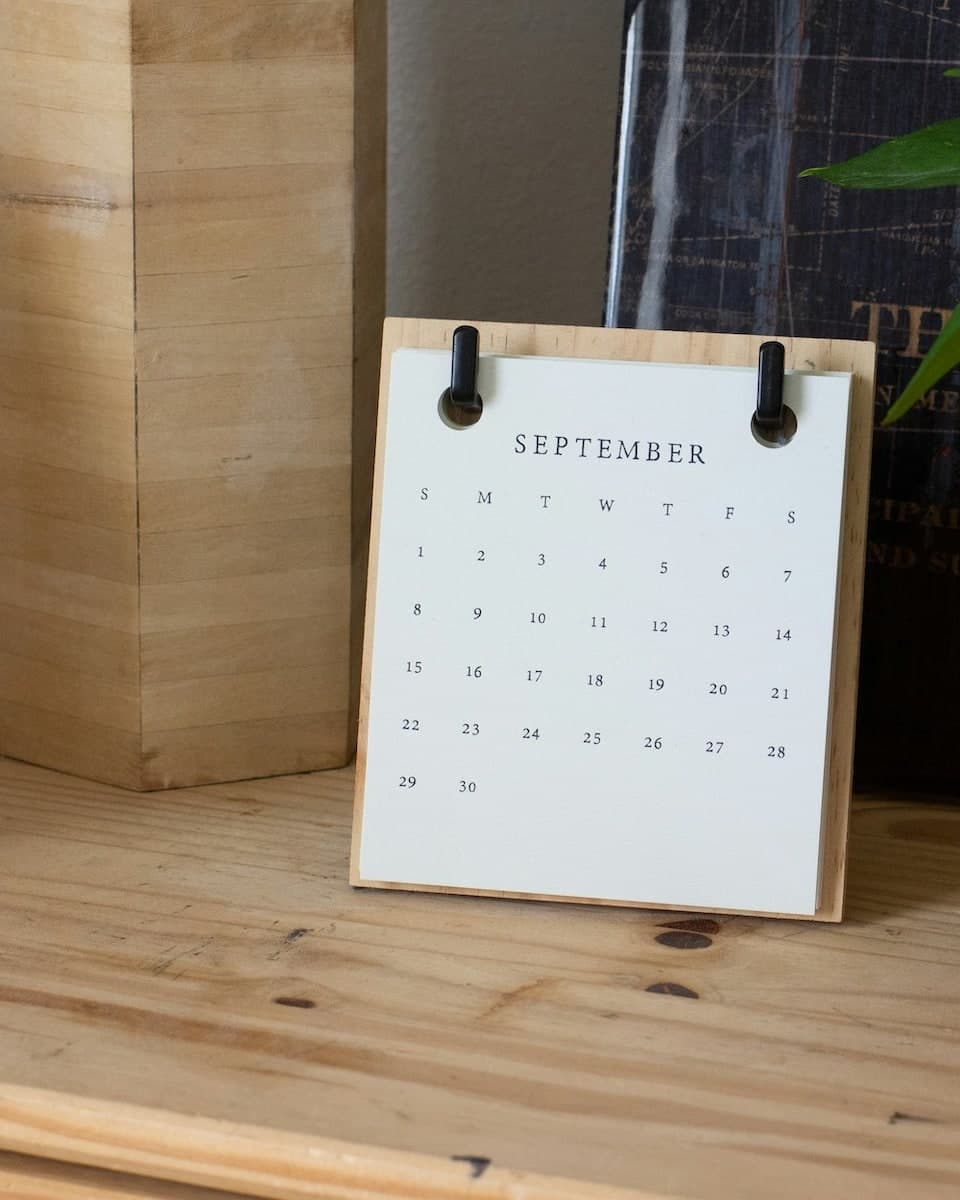
A habit reset doesn't require a special date or a dramatic life change. The research says the moment just has to feel like a clean slate to you.
Why Timing Your Habit Reset Matters
We like to think change is purely about willpower. If we really cared enough, we'd just decide to do the new thing and then do it forever, no questions asked. If only. In reality, the context around a habit matters a lot. Where you are in your life, how you think about the moment you're in, and whether it feels like "old you" or "new you" all quietly affect your chances of sticking with something.
In How to Change by Katy Milkman, she talks about what's sometimes called the "fresh start effect." The basic idea is that certain moments in time feel like a clean slate, and that feeling makes it easier to change your behavior.
The Power Of A Fresh Start
This is why so many people launch new habits on:
- New Year's Day
- Their birthday
- The first day of a new month
- The first day at a new job or in a new city
Those moments create a psychological break between "old me" and "new me." You get to mentally group your past behavior into a previous chapter and start a new one. It feels like a reset, so it's easier to say, "That was then, this is now."
That doesn't magically make the habit effortless, but it does give you a boost. You're a little more motivated, a little more willing to see yourself differently, and a little more open to acting like the kind of person who does this new thing.
If you've ever thought, "I'll start on Monday," you've already felt this. Monday is a mini fresh start. We all kind of know it.
You Don't Have To Wait For The Calendar
The fun part is that you don't actually have to wait for a big, official date to use this effect. You can create your own reset points.
You could decide:
- "This is my first day of the new season."
- "This is day one after that stressful project ended."
- "This is my 'new month' even if the calendar says it's the 13th."
- "This is the start of my 'after dinner walk era'."
You can get as specific or as weird as you want. "First day of the new moon" works if that feels meaningful to you. So does "the day after I finally cleaned my desk" or "the first day the weather feels like spring."
The point is not that the universe cares about your chosen date. The point is that your brain does. When you label something as a reset, you give yourself permission to act differently starting now.
Pair the Habit Reset With a Small Change
A fresh start is a great moment, but it still needs something attached to it. The move is to pair the reset with one specific, reasonable change.
On your reset day, you might:
- Start a tiny daily habit you've been meaning to try.
- Change how you handle one recurring situation, like bedtime or your morning routine.
- Try a new "default" choice in a certain area, like taking a short walk after lunch.
You don't have to overhaul your whole life. In fact, it's better if you don't. Treat the reset as a small launchpad, not a complete system reboot.
What I like about this is that it makes change feel less random. Instead of waiting for motivation to show up out of nowhere, you create a little moment that says, "Okay, this is the beginning of something." It doesn't guarantee success, but it tilts the odds in your favor.
I'm trying to use resets more deliberately now: notice when life gives me a natural one, and occasionally declare my own when I need it, then tie a small, specific change to that moment.