If you don't want to start moving, then don't read this book.
Why This Book Landed So Well For Me
I thought Move: How the New Science of Body Movement Can Set Your Mind Free by Caroline Williams was great, and I’d recommend it to almost anyone.
I’ve already shared a bunch of smaller ideas I pulled from it, so I’m not going to turn this into a giant recap of every chapter. What stuck with me most was the central point running through the whole book: your brain, body, and mind are deeply interconnected. Not in a vague, incense-and-manifesting kind of way, but in a way that is increasingly backed by real science.
That idea sounds obvious once you say it out loud, but I don’t think most of us really live like it’s true. We tend to treat the body as one category, the brain as another, and mental health as some third floating cloud of emotions. This book does a great job of making the case that they are all constantly affecting each other.
The Biggest Takeaway: Move
The title is basically the advice.
Move.
Not necessarily in some intense, punishing, gym-bro way. Not with the assumption that every workout needs to become a personal transformation montage. Just move, regularly and reasonably.
That was the message I kept coming back to. Walking matters. Strength matters. Breathing matters. Rest matters. Stretching matters. The exact form can vary, but the larger point is that movement is not just about looking fitter. It helps support mood, focus, resilience, and long term health too.
That’s what I appreciated most about the book. It keeps widening the frame. Exercise is not only about muscles or calories or trying to earn your dinner. It is part of how we keep our whole system working better.
It Also Felt Encouraging
Another thing I liked is that the book never made movement feel reserved for elite athletes, gym regulars, or suspiciously energetic morning people.
The takeaway is not “become perfect.” It’s more like “your body benefits when you use it, and it’s not too late to start.” That matters, because a lot of people quietly assume they missed the window. They’re too out of shape, too old, too busy, too stiff, too something.
I don’t know how old you are, but this is a pretty good day to begin. Not after you buy the right gear. Not after life calms down. Today is fine. You can move however you'd like. Stand up and stretch your arms to the sky, or bend and touch your toes
My Simple Recommendation
If this topic interests you at all, I think this book is worth your time. It’s one of those books that makes you look at ordinary things like walking, carrying, stretching, and resting a little differently afterward.
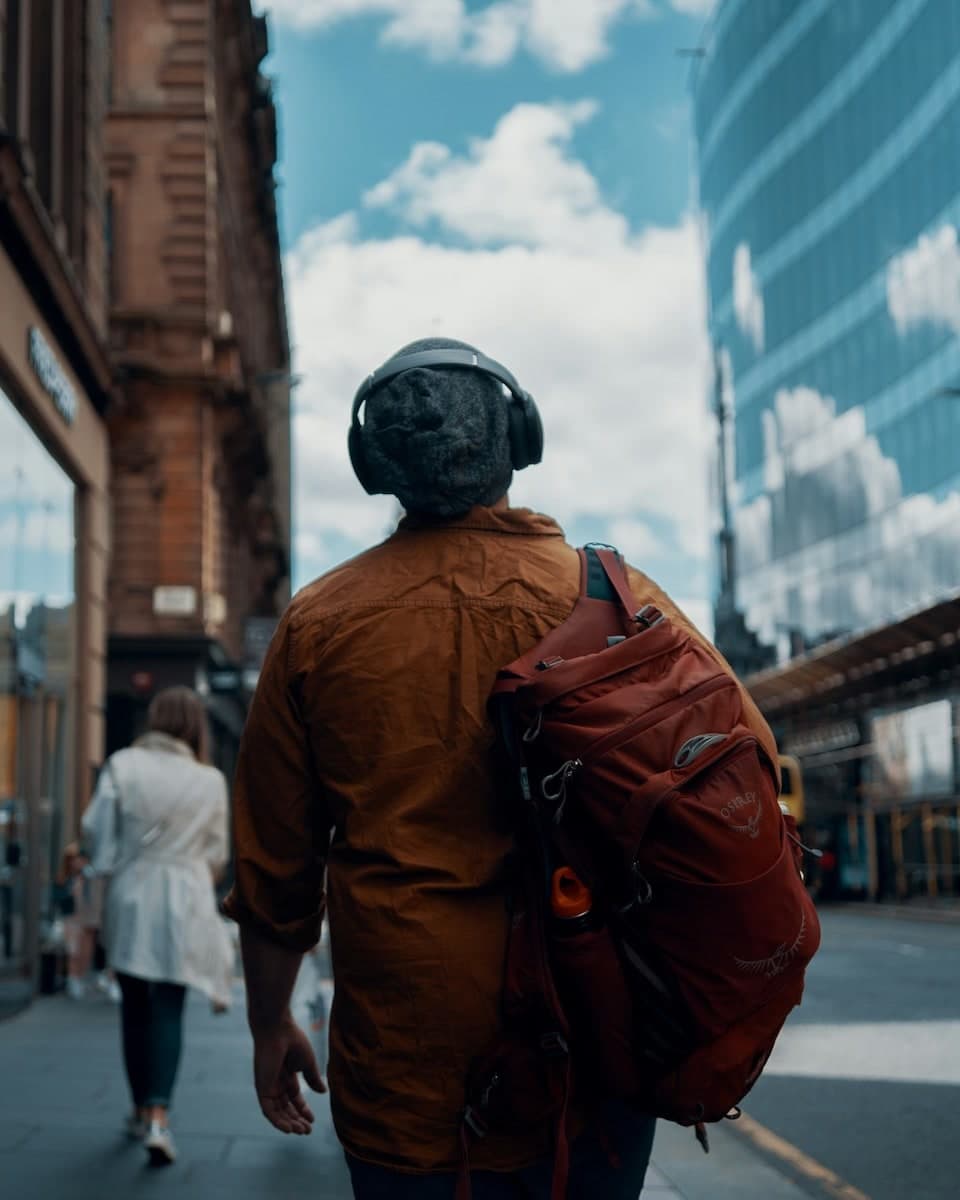
And if you want the easiest way to turn the book into action, I’d do this: get the audiobook, put in your headphones, and go for a walk while listening. That feels very on brand for a book called Move, and it’s probably the least complicated way imaginable to start applying the point while you’re still hearing it.
That’s my overall take: read it, move more, and stop thinking of your mind and body as separate projects. They’re on the same team whether you acknowledge it or not.