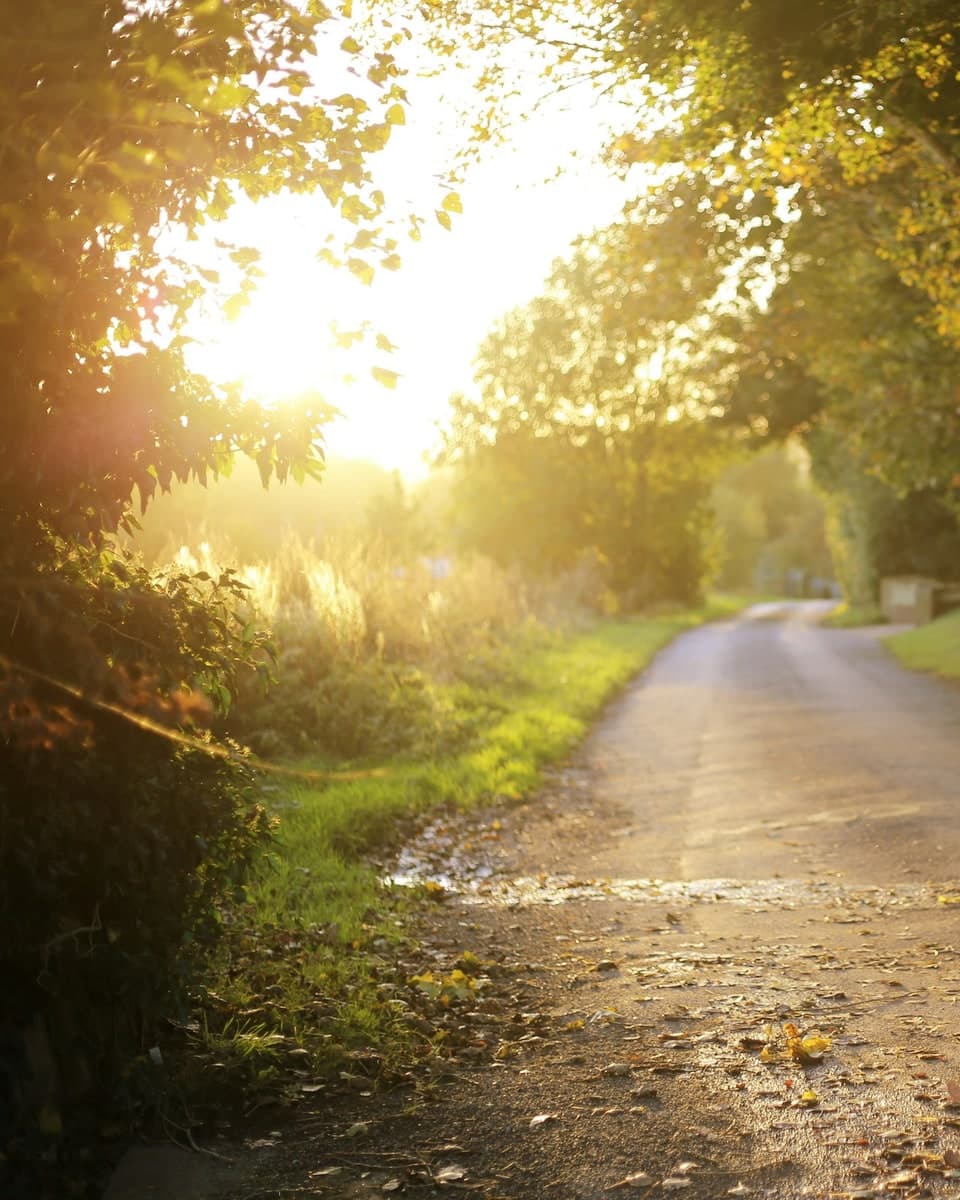
Active rest is a concept that sounds like a contradiction until it clicks. The idea is that your mind and body can recover while you're still moving, as long as your attention gets a break from what's stressing you out.
When Not Resting Became a Badge of Honor
Somewhere along the way, not resting became a weird badge of honor. People brag about how little they sleep, how they never take time off, how they’re “always on.” It’s like everyone is auditioning to be the world’s most exhausted robot.
The problem is that your body and brain did not sign up for that. They actually need rest. Not as a luxury, but as basic maintenance. Without enough recovery, everything quietly gets worse: mood, focus, health, creativity, even how patient you are with people you love.
So far, so obvious. You probably already know rest matters. What surprised me more recently is how flexible “rest” can actually be.
A Different Way To Think About Rest
In Move: How the New Science of Body Movement Can Set Your Mind Free by Caroline Williams, she talks about rest in a way that really stuck with me. Rest wasn’t just defined as lying down or doing nothing. It was closer to “giving your mind a break from the thoughts that keep you locked on stressful stuff.”
In one study she described, “resting” basically meant not focusing on the problems and pressures that normally fill your head. The mind got to wander, or at least shift onto something less loaded. The body, meanwhile, didn’t have to be perfectly still for that to count.
That blew up a quiet assumption I’d been carrying around: that rest and movement were opposites. Either I was resting, or I was doing something. Turns out, you can do both at once.
Active Rest: Moving and Recovering at the Same Time
Once you loosen the definition of rest, suddenly a bunch of activities slide into the “this actually counts” category.
Things like:
- Going for a no-pressure walk or hike.
- Gardening or puttering around in the yard.
- Light stretching or easy movement at home.
These can all be restful if your attention isn’t handcuffed to work problems, social drama, or whatever your personal stress greatest hits album is. Your body gets gentle movement, your brain gets a break from its usual loops, and your nervous system gets a chance to downshift a bit.
Compare that to “rest” that is technically still but mentally loud. Ever sat on the couch scrolling your phone, not moving, and somehow felt more frazzled afterward? Yeah. That’s a nice reminder that stillness alone doesn’t guarantee rest.
Let Rest Look How You Need It To
Everyone has different things that feel restful. Some people love reading. Some people like music or podcasts. Some people really do want a quiet room and a couch. Others would rather be outdoors doing something with their hands.
The important part is not whether it looks like what other people label as “rest.” The important part is whether it gives your mind some distance from the usual stress channels and lets your body relax into something more natural. If hiking helps you feel more like yourself, that counts. If pulling weeds or watering plants calms your brain down, that counts. If slow laps around the neighborhood with no agenda are your reset button, that counts too.
I’m trying to worry less about whether my rest looks “restful enough” to anyone else, and more about whether I actually feel better after it. That feels like a much more useful metric.