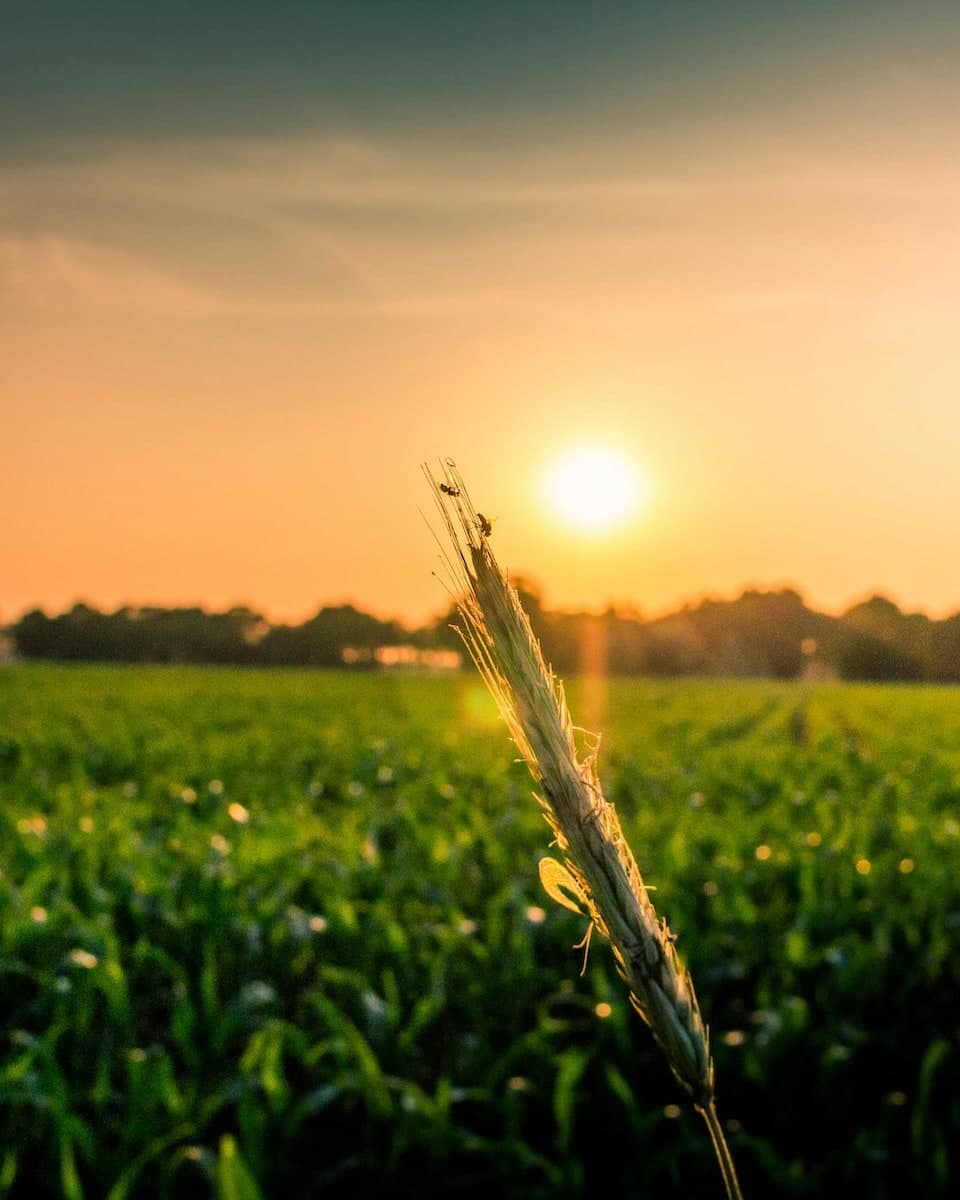
You’re eating the sun, and no, this is not a metaphor cooked up by a yoga retreat brochure. It’s just how food energy actually works, and once you realize the chain, you cannot really unsee it.
Where Food Energy Actually Starts
In Good Energy: The Surprising Connection Between Metabolism and Limitless Health by Casey Means, she makes a point about food energy that I had somehow never connected before, despite eating food every single day of my entire life.
She traces the whole chain of where things go before and after we eat them, and it turns out plants are usually sitting at the very bottom of that chain. Plants get their energy from sunlight, through a process most of us half remember from a middle school poster about photosynthesis. That sunlight becomes stored energy inside the plant.
So when you eat a vegetable, you’re not just eating fiber and vitamins in a polite little package. You’re eating captured sunlight, repackaged by a plant that spent its whole short life quietly doing solar collection for you.
Why This Changes How Vegetables Feel
I’ll admit, before this, vegetables were something I ate because I’m supposed to, not something I felt any real excitement about. They were the sensible sibling on the plate. Reliable, a little dull, definitely not throwing a party.
But once you frame it as food energy that started as literal sunlight, vegetables get a lot more interesting. That broccoli is not just “healthy.” It’s a small solar battery that spent weeks converting light into something your cells can use. That’s a much better sales pitch than “eat this, it’s good for you.”
It also makes the whole food chain feel less like separate categories and more like one long relay race:
- The sun sends energy to the plant.
- The plant stores that energy as food energy.
- You eat the plant, or you eat something that ate the plant.
- Your body converts that stored energy into the energy that keeps you alive, thinking, and moving.
Once you see food energy as one continuous chain instead of isolated meals, it’s hard to look at a salad the same way again.
A Small Mental Shift With A Big Effect
This is one of those ideas that doesn’t change your grocery list, but quietly changes how you feel about it. You’re not eating vegetables because a nutrition label told you to. You’re eating a tiny, concentrated dose of solar food energy that traveled from the sky, through a leaf, and onto your fork.
It’s a small reframe, but it makes healthy eating feel a lot less like a chore and a lot more like plugging into something bigger. Sun to plant to plate to you, all one continuous transfer of food energy, and you happen to be the last stop on that particular trip.
Next time a vegetable feels boring, it might help to remember it’s basically a well disguised piece of sunshine.