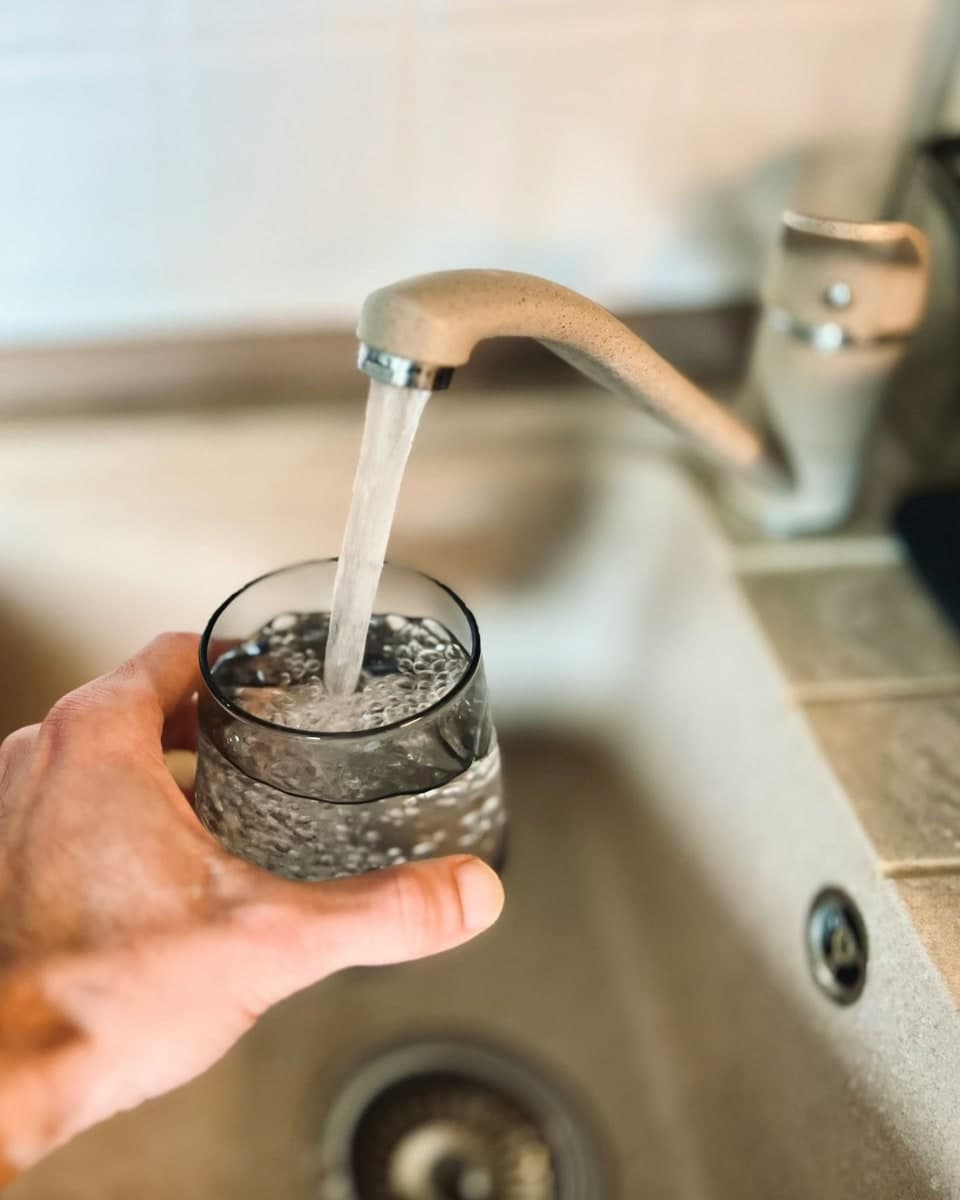
Is tap water safe to drink? My honest answer for most of my life has been "probably fine" followed by a quick subject change. That got harder to maintain while reading about what might actually be in it.
The Question I Kept Avoiding
In Good Energy: The Surprising Connection Between Metabolism and Limitless Health by Casey Means, she strongly recommends using a reverse osmosis filter for your drinking water. Every time someone had mentioned reverse osmosis to me before, I'd nod like I knew what they were talking about and then immediately move on. So this time I actually looked it up.
The basic idea is straightforward. A reverse osmosis filter forces water through a very fine membrane under pressure. The membrane lets water molecules through and blocks a lot of the other stuff, things like heavy metals, chlorine byproducts, certain pesticides, microplastics, and other contaminants. The "reverse" part refers to the direction the pressure pushes: you get cleaner water on one side, and the filtered out stuff exits on the other.
It's not magic, but it is one of the more thorough filtration methods available for home use.
Is Tap Water Safe To Drink, Really?
The frustrating answer is: it depends.
In some places, tap water is well managed and genuinely fine. In others, it's technically within legal limits but still contains things you'd probably prefer not to drink regularly if you had the choice. And "within legal limits" doesn't always mean "optimal for your health over decades."
Things that can show up in tap water, depending on where you live:
- Heavy metals like lead, especially from older pipes.
- Chlorine and chloramine, used to disinfect but not exactly a health booster.
- Microplastics, which are almost everywhere now.
- Agricultural runoff, including pesticides and nitrates.
- Various industrial byproducts depending on local infrastructure.
Once I let myself actually picture what "is tap water safe to drink" might mean in those terms, I found it a lot harder to keep shrugging.
Why I'm Getting One
I'm going to get a reverse osmosis filter installed in my kitchen. It's not the most glamorous health upgrade. It's not a supplement or a workout routine. It's a filter under your sink. But if you're thinking about what is healthy food and what actually goes into your body at a cellular level, water is probably the most consumed substance in your life. It makes sense to pay attention to what's in it.
If you've been doing the same "nod and change the subject" move I was doing, it might be worth actually asking is tap water safe to drink. I don't want my family to take the risks.