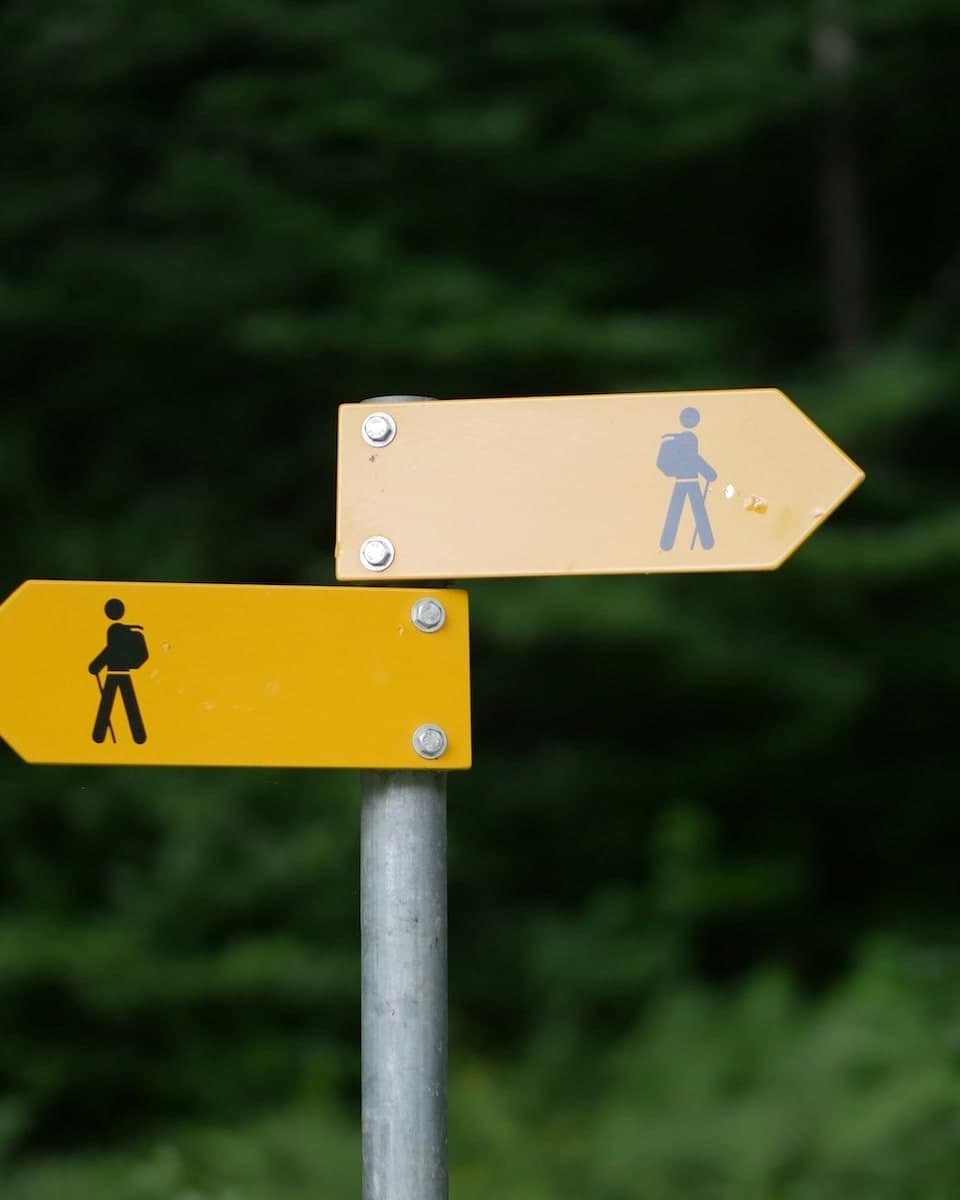
Have you ever noticed that some of your stress comes not from what you’re doing, but from all the decisions you haven’t made yet? That low-level hum is decision anxiety, and I live there more often than I’d like.
Why I Started Taking Decision Anxiety Seriously
In The Art of Clear Thinking: A Fighter Pilot's Guide to Making Tough Decisions by Hasard Lee, he dives into how to make critical calls in high pressure situations. I didn’t pick it up because I fly jets (I don't, let's be clear on that now). I picked it up because I hate making decisions.
For me, that decision discomfort turns into a whole mess of side effects:
- I overthink and stall, which wastes time and sometimes money.
- Opportunities pass by while I’m still “thinking about it.”
- I end up with both regret (for what I did) and FOMO (for what I didn’t do).
None of that shows up as a dramatic life crisis. It’s more like a low level hum of anxiety that never fully shuts off. And it adds up.
How Decisions Tie Into Happiness
The link between decisions and happiness isn’t just about making the “right” choice every time. That’s impossible.
It’s more about:
- Reducing the time you spend stuck in limbo.
- Feeling confident enough in your process that you can live with your choices.
- Minimizing the mental energy you burn on endless “what if” scenarios.
When I let decisions linger, my brain treats them like open tabs in a browser. Each one sits there, consuming just enough attention to slow everything else down. The longer that goes on, the more tense and distracted I feel. Learning how to decide better is really about closing some of those tabs on purpose.
Learning From Your Own Weak Spots
The helpful part of all this is that decision making is a skill, not a fixed personality trait. You can get better at it on purpose. For me, that started with simply admitting: “Decisions are a weak spot, and they’re making my life more stressful than it needs to be.” That alone made books like Hasard Lee’s feel less like interesting theory and more like practical tools.
You can do the same kind of scan on yourself:
- Where do you get stuck the most?
- What “small” habits or tendencies keep causing outsized stress?
- What do you quietly avoid because it makes you uncomfortable?
Those things might not seem like a big deal day to day, but they can have a big cumulative effect on how you feel.
Once you name them, you can look for resources, books, or experiments that target those exact weak spots instead of hoping they’ll magically fix themselves.
I’m still very much a work in progress here, but thinking of “getting better at decisions” as a happiness project, not just a productivity project, feels like the right frame. It’s not about becoming perfectly decisive. It’s about suffering less from the decisions I was going to have to make anyway.