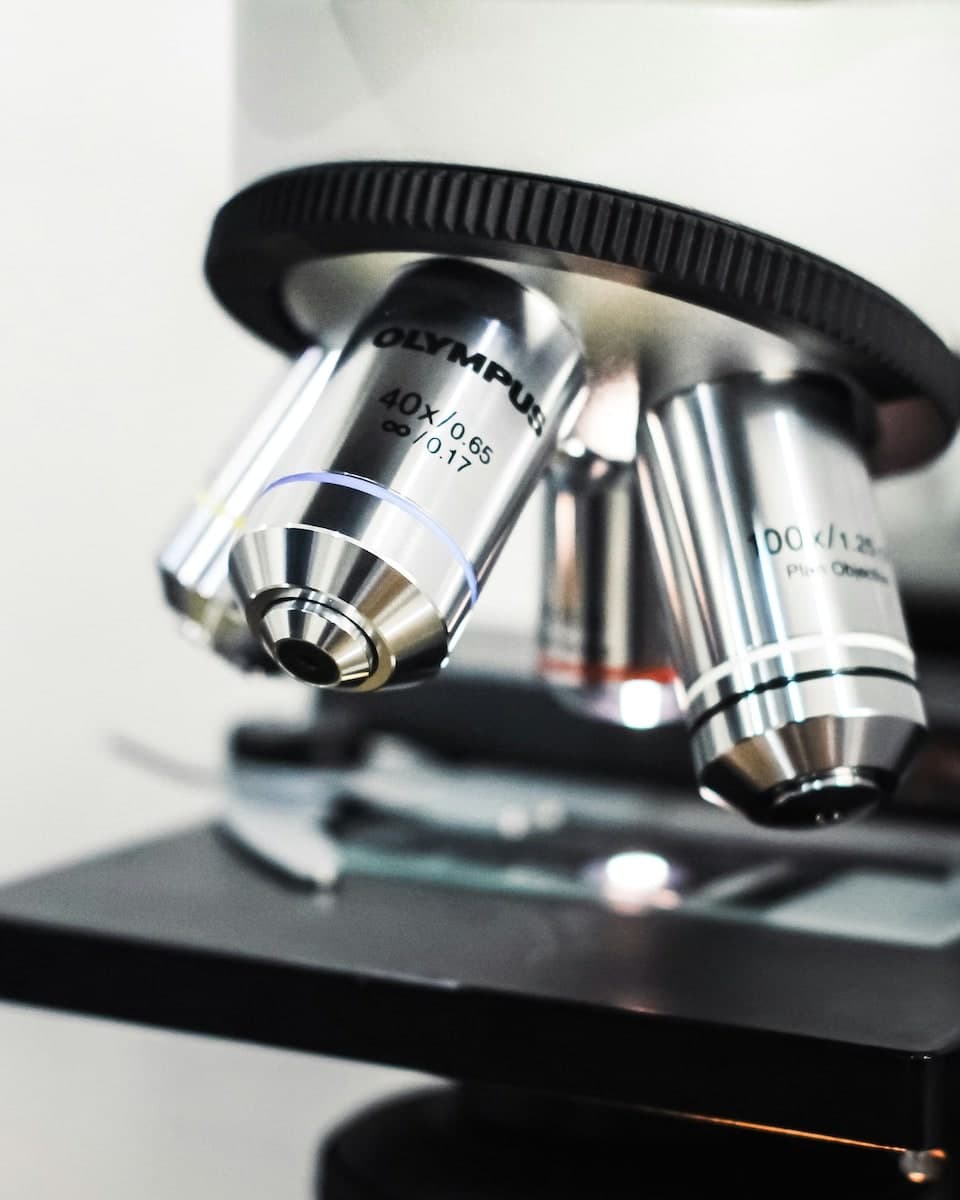
If someone asked you, “How are your cells doing?” what would you even say? I’ve spent most of my life thinking about health in terms of big things (heart, brain, joints) and basically ignoring the tiny stuff.
Realizing Cellular Health Might Be A Big Deal
I admittedly don’t know very much about cells. In school, I memorized diagrams, looked through microscopes, and passed the tests, but the whole idea of cellular health went in one ear and out the other.
In Good Energy: The Surprising Connection Between Metabolism and Limitless Health by Casey Means, a huge part of her argument is that our cells are suffering, and that’s why the rest of our bodies have so many troubles.
That framing is wild to me.
Instead of thinking “my joint hurts” or “my brain feels foggy” as separate problems, she keeps pointing back to what’s happening at the cellular level. Are those cells are getting what they need, is energy production is working, is the system is overloaded?
Suddenly, cellular health feels less like a trivia topic and more like the starting point.
Tiny Things, Big Impact
I need to finish the book to really understand all of her actionable solutions, so I’m not going to pretend I’ve absorbed the full playbook yet. But even the concept alone is shifting something in my head.
Thinking of my body as made up of countless cells that:
- Have to generate energy reliably.
- Deal with inflammation, stress, and whatever I’m throwing at them.
- Communicate with each other to keep things running smoothly.
…makes every choice feel a bit different.
It’s one thing to say, “I’m tired, I’ll push through.” It’s another to picture cellular health being quietly degraded over time by how I eat junk, ignor sleep, and sit instead of moving. Same symptoms, different mental image.
A New Lens On My Own Health
Right now, this is mostly a mindset shift for me, not a finished plan. But it’s already changing how I think about my own health in a few ways.
Instead of only asking:
- “Does this hurt?”
- “Is this number in range?”
I’m starting to also ask:
- “What does this habit do to my cellular health over the long term?”
- “If my cells had to vote on how I’m living, would they be happy or exhausted?”
It’s a weird question, but it makes poor choices feel less abstract. It’s not just “one more late night” or “one more random snack.” It’s another tiny nudge on the conditions those cells have to operate under.
I’m going to keep reading and see what practical steps she suggests for improving cellular health, because that’s where the rubber meets the road. For now, just just thinking about millions of tiny units of me trying to do their job is enough to make me want to treat them a little better.